Priming Exterior Wood Before Painting A Complete Professional Guide
Many people underestimate the importance of priming exterior wood, but it’s one of the most critical steps for achieving a smooth, durable paint job. Priming seals the surface, evens out porosity, and ensures that paint adheres properly and lasts for years.
Especially on bare or weathered wood, primer acts as a bridge between the surface and the paint. It prevents issues like peeling, cracking, uneven sheen, and even discoloration from wood tannins bleeding through.
When and Where to Prime Exterior Wood
Priming is recommended when painting bare wood, stained surfaces, or wood that’s chalky, weathered, or patched. Even previously painted surfaces might need spot priming in areas where old paint has peeled away.
If you’re painting over a drastically different color, like white over dark brow, priming helps with coverage and reduces the number of topcoats needed. It also boosts UV and moisture resistance, which is essential for wood exposed to the elements.
Choosing the Right Primer for Exterior Wood
There are several types of primers, and the choice depends on the condition and type of wood:
- Oil-based primers are ideal for older, stained wood or high-moisture areas. They block tannins and seal knots effectively.
- Latex (water-based) primers are easier to work with, dry faster, and are great for newer, dry wood surfaces.
- Shellac-based primers are super stain-blockers, but best for small areas due to strong odors.
Look for primers labeled for “exterior wood” and make sure they’re compatible with the paint you plan to use.
Steps to Prime Exterior Wood Correctly
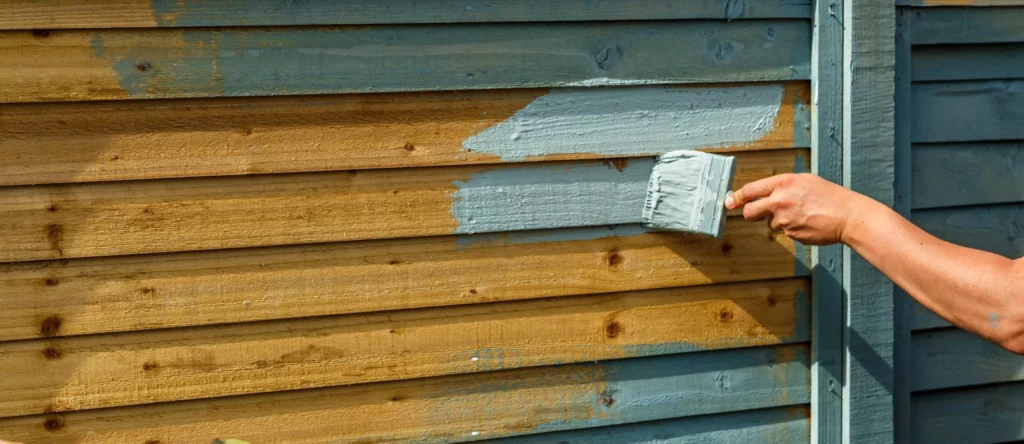
Before you prime, surface prep is non-negotiable. Follow these key steps:
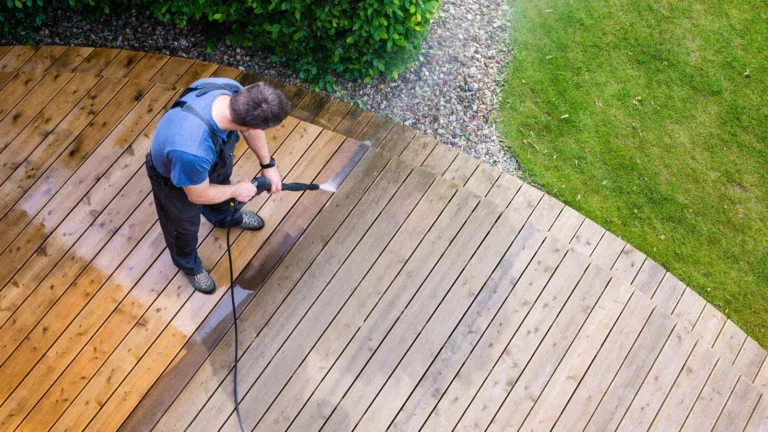
- Clean the surface: Remove dirt, mildew, and dust using detergent or TSP and rinse thoroughly.
- Scrape and sand: Strip loose paint and sand rough patches smooth.
- Repair damage: Fill holes and cracks with wood filler and caulk seams.
- Spot seal knots: Use a shellac-based spot primer on sap-heavy areas.
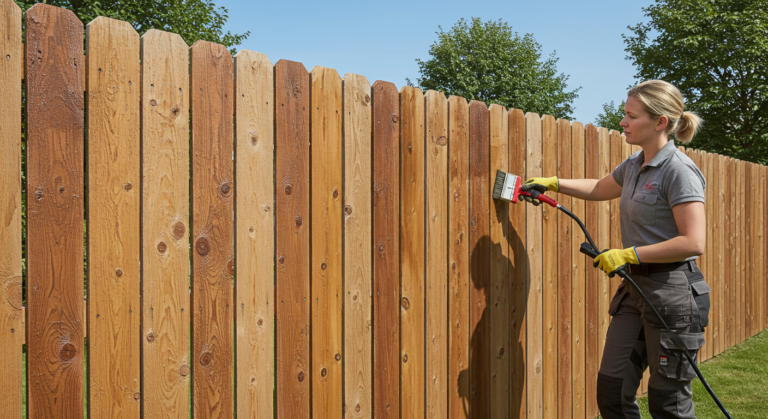
- Apply primer: Use a brush, roller, or sprayer. Apply in thin, even coats, and allow it to dry according to the manufacturer’s instructions.
Real-World Use Cases and Examples

1. Historic Home in Charleston, SC
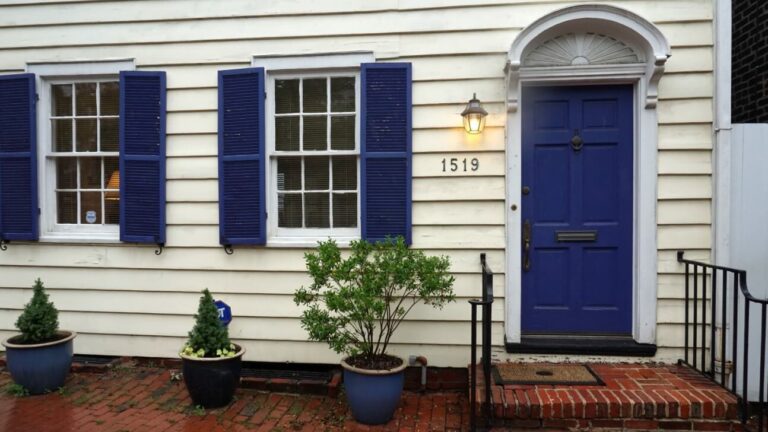
This wooden Victorian required oil-based primer due to aged siding and historical paint layers. After stripping and sanding, the primer sealed the surface and prevented tannin bleed. The final color held strong even through coastal humidity.
2. New Cedar Siding in Oregon
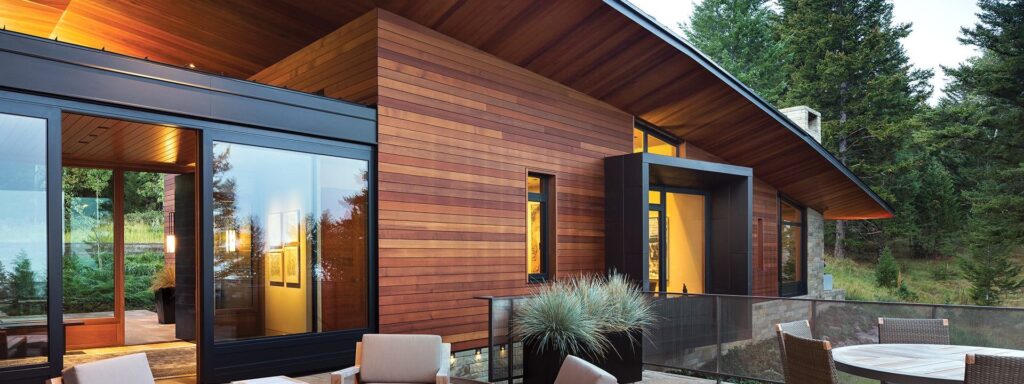
Fresh cedar often contains oils that cause paint to fail prematurely. A latex bonding primer was used to lock down the oils and improve topcoat adherence.
3. Restored Barn in Wisconsin
Barn wood had heavy staining and weather exposure. After power washing and sanding, the shellac-based primer sealed stains and prepared the surface for rich barn red paint.
4. Beach House in Florida
Constant salt air made moisture a problem. A mildew-resistant, oil-based primer was used to prep the wooden railing and trim, improving durability under harsh sun and salty air.
5. DIY Deck Makeover in Colorado

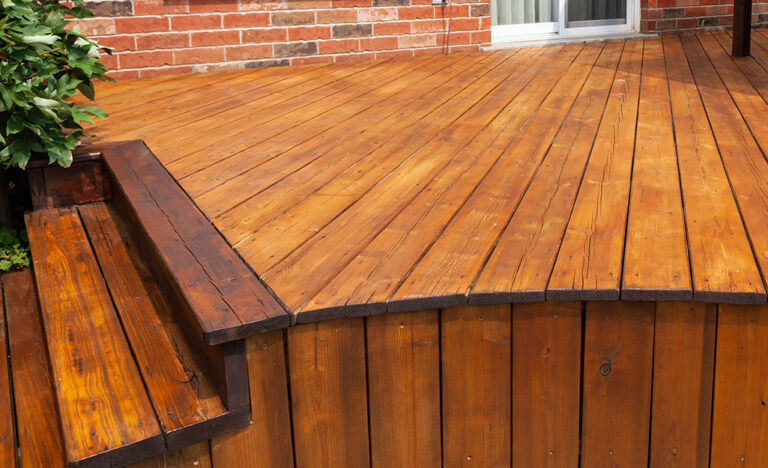
The homeowner used water-based primer on dried pine boards after a deep clean and sanding. The result was an even, durable finish that handled both snow and sun.
Benefits of Priming Exterior Wood Before Painting
- Enhanced Adhesion: Primer helps paint bond strongly, reducing peeling.
- Seals Porous Surfaces: Prevents paint from soaking in unevenly.
- Blocks Stains and Knots: Especially with oil or shellac primers.
- Extends Paint Life: Reduces the need for frequent repainting.
- Improves Color Coverage: Especially when switching between light and dark shades.
Skipping primer might seem like a shortcut, but it typically leads to more labor, more coats, and quicker failure.
When Priming Is Necessary
- Bare or Sanded Wood: Any raw wood will soak up paint unevenly without primer.
- Stained or Oily Wood: Primer blocks out stain and sap that can discolor paint.
- Major Repairs: Spot-priming helps create uniform texture and sheen.
- Climate Challenges: In humid, coastal, or sunny areas, primer adds essential protection.
Frequently Asked Questions (FAQ)
Can I skip primer if I use high-quality paint?
It’s not recommended. Even premium paints perform better with a properly primed surface, especially on wood.
What happens if I don’t prime exterior wood?
Paint may blister, peel, or discolor quickly. The finish won’t last as long or look as smooth.
How long should I wait after priming to paint?
It depends on the product, but most primers need 4–24 hours to dry before applying paint. Always check the manufacturer’s instructions.