Best Exterior Paint for Commercial Buildings A Complete Guide to Long-Lasting Performance
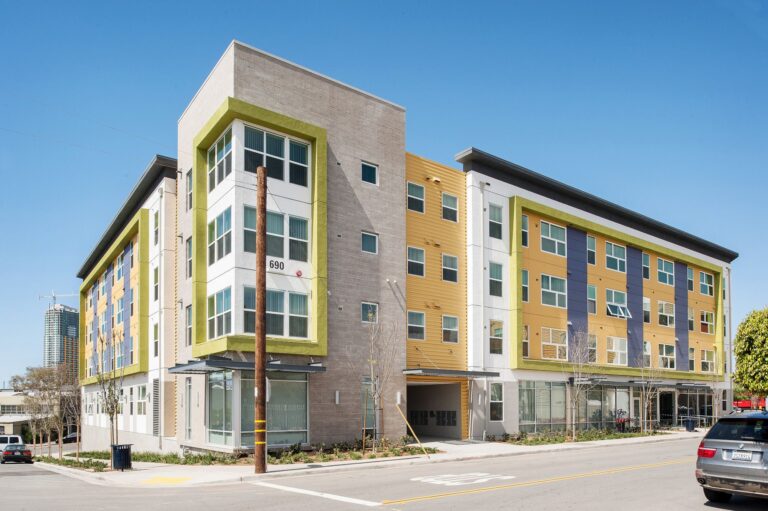
Exterior paint for commercial buildings is more than just color; it’s the first line of defense against weather, pollution, and wear. Choosing the right paint can improve a building’s appearance, protect its surfaces, reduce maintenance costs, and even influence how a business is perceived.
Commercial buildings, unlike residential structures, face greater environmental exposure and demand longer-lasting, more durable paint solutions. That’s why it’s crucial to understand which products offer both protection and performance, tailored to specific building materials and climate conditions.
Key Features of Commercial-Grade Exterior Paint
When selecting paint for a commercial building exterior, several technical and environmental factors must be considered. Paints must adhere well, resist weather, retain color, and meet safety regulations.
Important features include:
- UV resistance for color retention
- Mildew and mold resistance
- Adhesion to various substrates (brick, stucco, metal, concrete)
- Low-VOC or zero-VOC formulations
- Durability in high-traffic or industrial areas
The right exterior paint doesn’t just make a building look new; it extends the life of the structure and keeps it compliant with local codes.
Types of Exterior Paints Suitable for Commercial Use
There are several types of exterior paint designed specifically for commercial buildings:
- Acrylic Latex Paint: Versatile, affordable, and suitable for a wide range of surfaces.
- Elastomeric Coatings: Great for waterproofing, bridging cracks, and withstanding extreme temperature changes.
- Epoxy Paint: Highly durable, ideal for industrial environments and metal surfaces.
- Polyurethane-Based Paint: Glossy, chemical-resistant, and long-lasting.
- Silicone or Mineral-Based Paints: Often used on concrete or masonry for breathability and water resistance.
Each type of paint has strengths depending on surface type, budget, and environmental exposure.
Real-World Use Cases and Product Applications
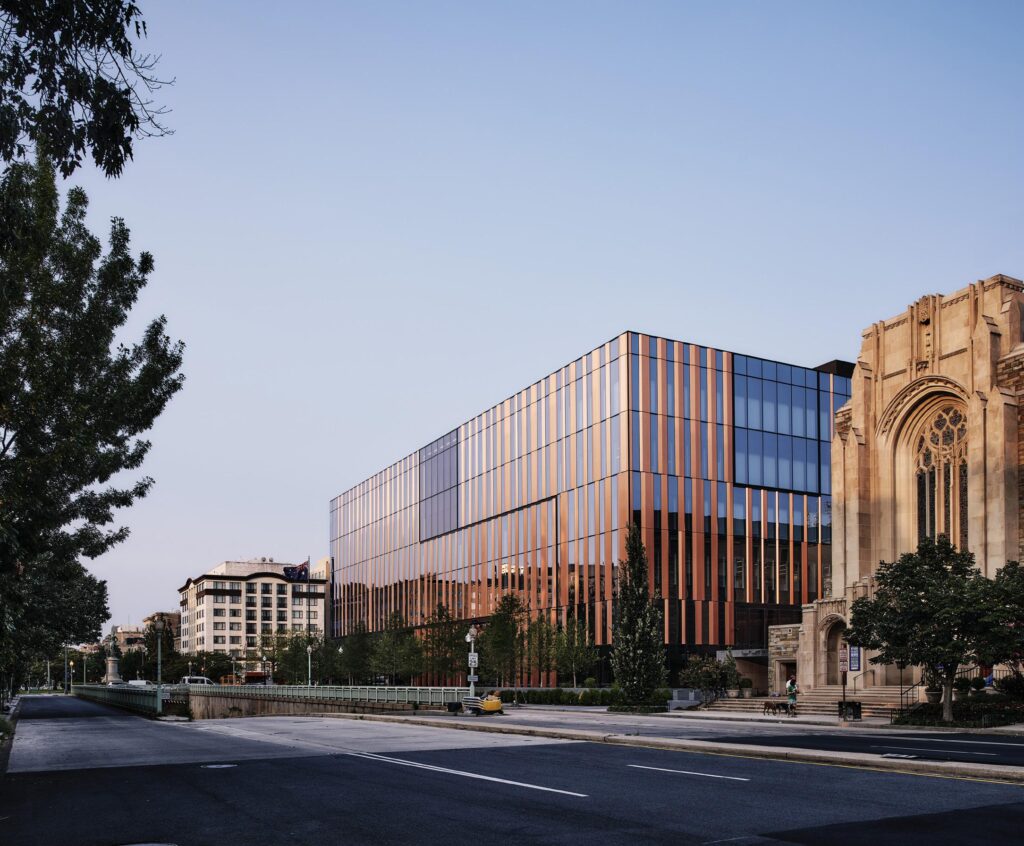
Skyline Business Park
This complex underwent repainting with high-performance acrylic paint due to its versatility and affordability. The chosen paint offered fade resistance and required minimal maintenance, an ideal choice for business parks needing a clean, professional look year-round.
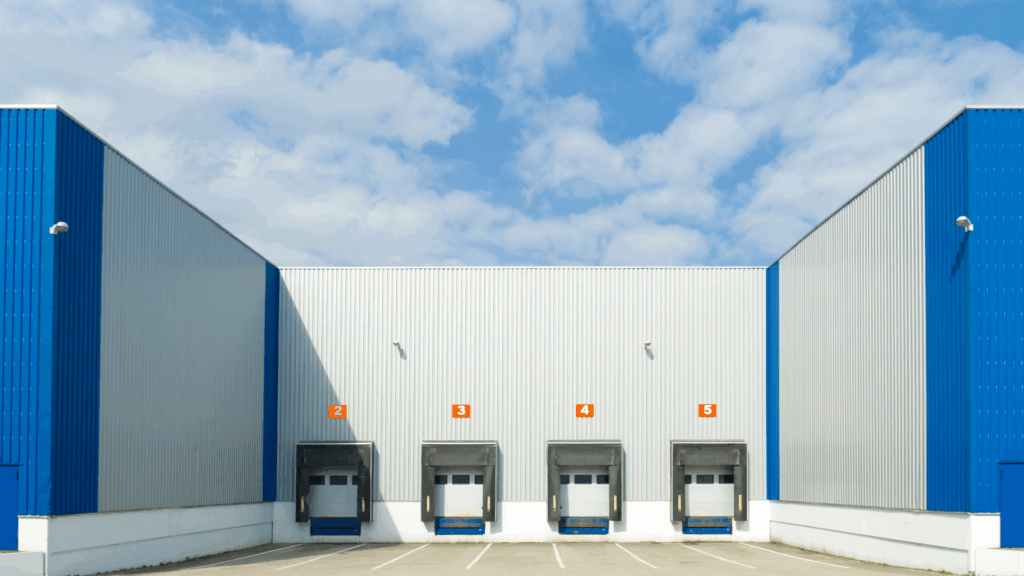
NorthPort Logistics Center
Due to exposure to delivery trucks and pollution, this logistics hub needed strong protection. Epoxy paint was chosen for its industrial strength, providing excellent adhesion and resistance to chipping or abrasions.
LuxeLine Urban Hotel
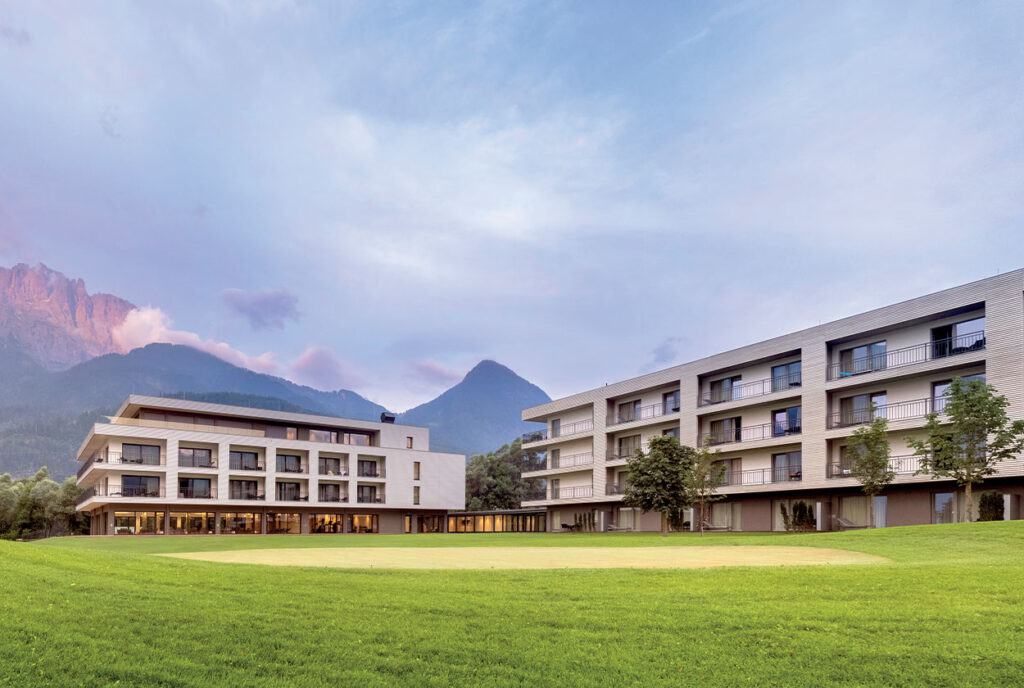
To combat cracking and water intrusion from nearby landscaping, the hotel exterior was coated in elastomeric paint. The result was a seamless surface that stayed clean and crack-free even during heavy rain.
Sunridge Plaza Mall
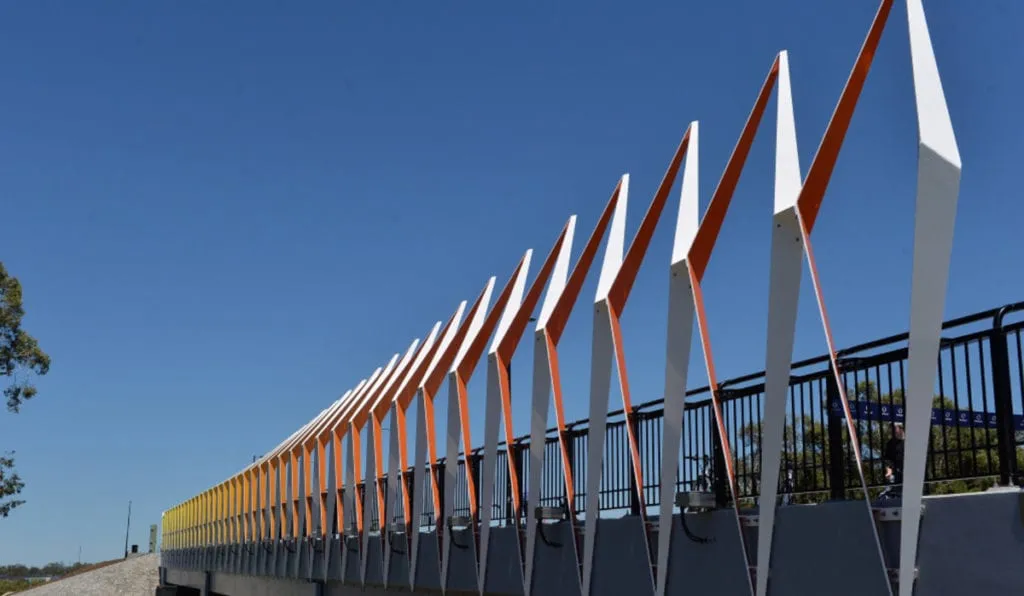
Located in a high-UV region, this mall needed vibrant colors that wouldn’t fade. Polyurethane coatings were used for their gloss and UV resistance, preserving the mall’s branded look for years.
How Technology Enhances Exterior Paint Performance
Today’s exterior paint formulations and application technologies offer better results than ever before. Advancements in material science have produced coatings that last longer, apply more evenly, and contribute to energy savings.
- Infrared Reflective Pigments: Reduce heat absorption, keeping buildings cooler and saving energy.
- Self-Cleaning Paints: Hydrophobic coatings repel dirt and water, reducing cleaning frequency.
- Nano-coatings: Provide added resistance to corrosion and pollution.
- Airless Sprayers: Ensure fast, even application across large surfaces, reducing downtime.
These technologies make it possible to achieve more with fewer coatings, reducing labor and product waste while maximizing longevity.
Advantages of Investing in Quality Exterior Paint
Choosing the right exterior paint for your commercial building can lead to both short-term and long-term benefits:
- Protection from the Elements: Paint acts as a barrier against rain, UV rays, wind, and pollutants.
- Improved Aesthetics: A fresh coat of paint refreshes your building’s look and makes it more appealing to tenants and customers.
- Maintenance Reduction: Durable coatings reduce the frequency of repairs and repainting.
- Environmental Compliance: Using low-VOC or zero-VOC paint ensures better air quality and aligns with sustainability goals.
These benefits contribute to the operational efficiency and reputation of your commercial space.
Common Problems Solved by the Right Exterior Paint
1. Cracked Stucco and Water Damage
Many older buildings with stucco exteriors suffer from cracks and water stains. Elastomeric paint can bridge those cracks and provide waterproofing to protect the underlying surface.
2. Faded Branding on Storefronts
Retail locations lose visual impact when exterior colors fade. UV-resistant acrylic or polyurethane paints keep signage and façade colors vibrant longer.
3. Rust and Corrosion on Metal Panels
Industrial properties often face rust on metal structures. Epoxy coatings with rust-inhibiting primers stop corrosion and extend lifespan.
Frequently Asked Questions (FAQ)
How do I choose the best exterior paint for a commercial building?
It depends on the surface material, climate, and purpose. Consult a commercial painter who can assess your property and recommend the most durable and cost-effective solution.
Is there a difference between residential and commercial exterior paint?
Yes. Commercial paint is usually formulated for higher durability, better adhesion to industrial materials, and compliance with stricter safety and environmental standards.
How often should commercial buildings be repainted?
With high-quality paint and proper maintenance, most commercial exteriors only need repainting every 8–12 years, though climate and exposure can affect this timeline.