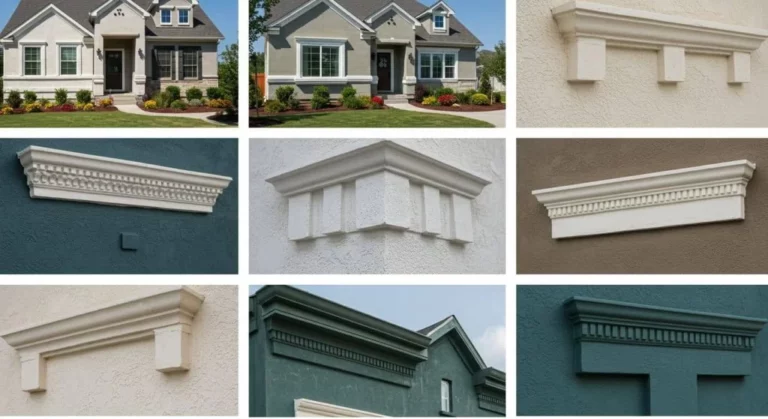
Guide to Choosing the Right Exterior Paint for Commercial Buildings
Exterior paint for commercial buildings is a specialized coating designed to protect, preserve, and enhance the outer surfaces of structures used for business operations. These include office towers, retail centers, hotels, warehouses, schools, and healthcare facilities. Unlike residential paints, commercial-grade exterior paint must perform in high-traffic, weather-exposed, and industrial environments.
The right exterior paint serves multiple functions. It not only adds aesthetic value but also guards against UV radiation, humidity, temperature fluctuations, dirt, and pollutants. A well-executed paint job extends the lifespan of surfaces and reduces overall maintenance costs.
Why the Right Exterior Paint Matters
Exterior coatings are the first line of defense between a building and the environment. Without the right type of paint, surfaces may crack, fade, peel, or deteriorate prematurely. This compromises not just appearance but also structural integrity.
Using high-performance paint reduces long-term repair costs, enhances property value, and helps maintain brand consistency, especially critical for retail chains and corporate campuses. Choosing a durable, long-lasting paint is also a responsible investment in sustainability and energy efficiency.
Types of Paints for Commercial Exterior Applications
There is no one-size-fits-all when it comes to commercial exterior paints. Here are the most commonly used options:
- Acrylic Latex Paints: Ideal for general use on masonry and concrete, offering good flexibility and UV resistance.
- Elastomeric Paints: Best for surfaces prone to cracking, as they stretch and bridge small gaps.
- Epoxy Paints: Excellent adhesion and chemical resistance, perfect for industrial buildings.
- Polyurethane Coatings: Known for high gloss and resistance to abrasion, often used on metal surfaces.
- Silicate Mineral Paints: Breathable coatings that prevent moisture buildup, suitable for historical and stone buildings.
Paint selection depends on the building material, expected exposure, and desired finish quality.
Real-World Use Cases: Exterior Paint in Action

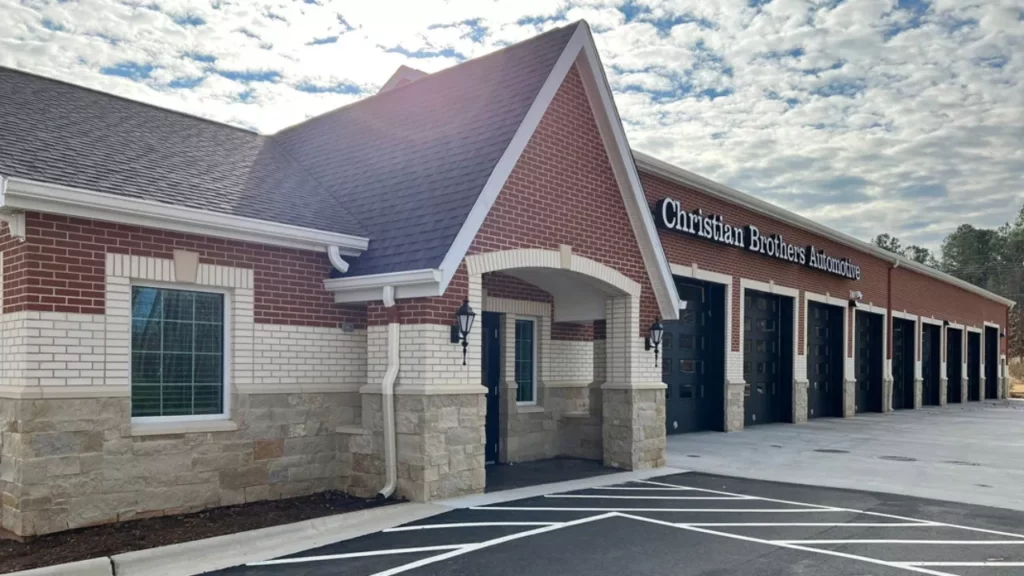
MapleView Retail Plaza
This busy retail center opted for acrylic latex paints to preserve bright storefront colors. The paint’s UV resistance ensures brand consistency despite constant sun exposure, while its flexibility prevents cracking due to seasonal expansion and contraction.
StoneBridge Business Park
Faced with hairline cracks in stucco facades, this business park was coated with elastomeric paint. The flexible coating filled cracks and formed a waterproof barrier that significantly extended surface life and improved the building’s appearance.
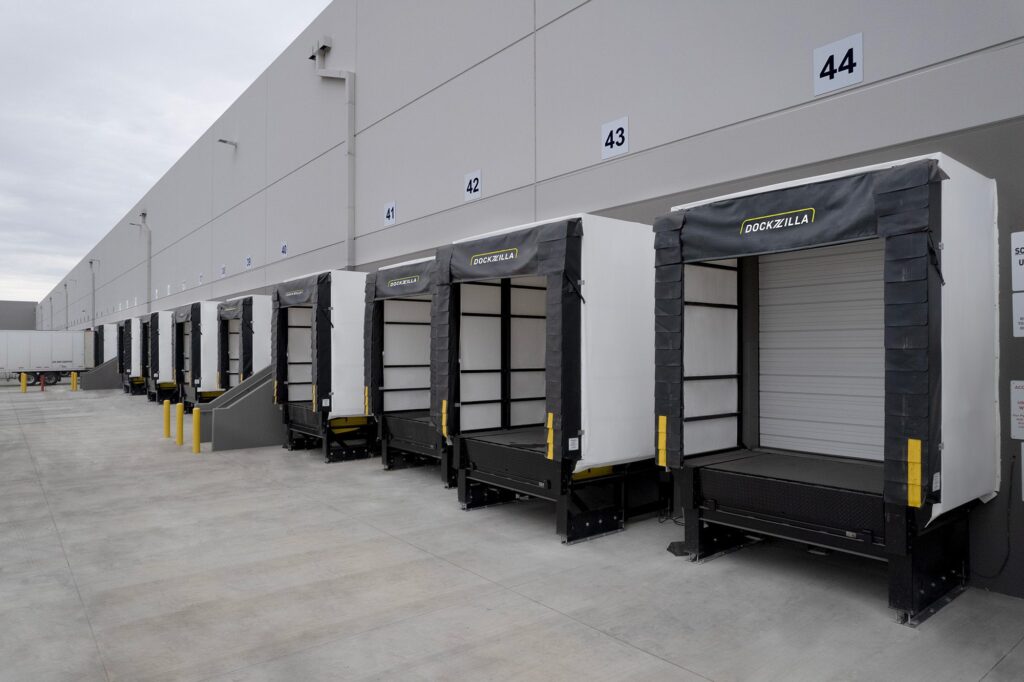
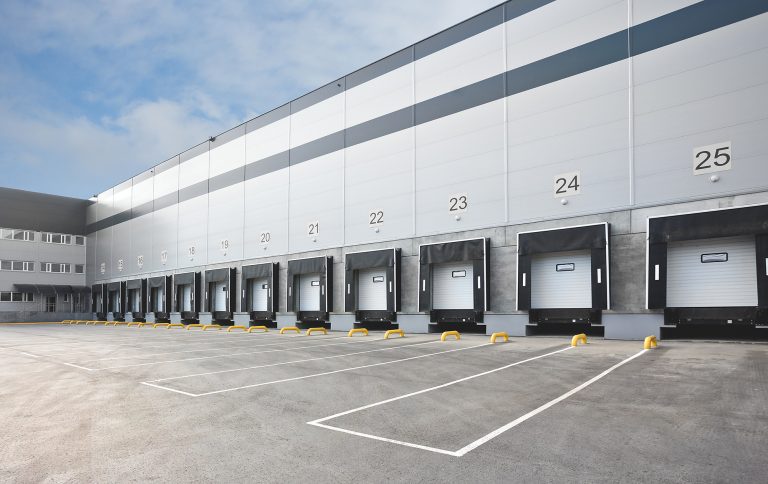
TransitCore Industrial Hub
Epoxy paint was selected to handle extreme wear in this industrial facility. It resists chemical spills, heavy machinery movement, and corrosion, ensuring a clean, professional look and low maintenance needs.
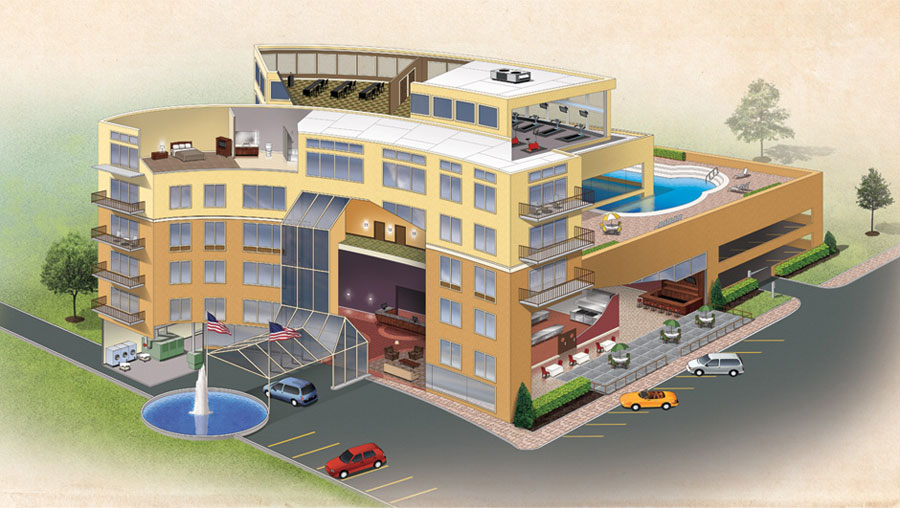
HarborSide Hotel & Suites
This beachfront hotel used low-VOC polyurethane paint to meet environmental guidelines and maintain a sleek appearance. The paint’s high gloss and water resistance help the building withstand coastal conditions.
How Technology Is Transforming Commercial Exterior Painting
Modern exterior painting relies not only on better paints but also on improved application techniques and smart formulations:
- Airless Spray Systems: Provide fast and even coverage across large surfaces.
- Thermo-Reflective Pigments: Reflect solar heat, reducing internal cooling loads.
- Antimicrobial Additives: Help prevent algae, mold, and mildew on shaded or moist walls.
- Nano-Coatings: Add self-cleaning properties and resistance to pollution.
These technologies reduce labor time, improve performance, and contribute to environmental targets.
Advantages of Using High-Quality Exterior Paint for Commercial Buildings
Investing in top-tier commercial paint provides substantial returns in durability, appearance, and cost savings:
- Enhanced Weather Protection: Shields against rain, sun, wind, and temperature swings.
- Lower Lifecycle Costs: Reduces the need for frequent repaints or structural repairs.
- Improved Brand Image: A freshly painted, well-maintained building speaks volumes about a company’s professionalism.
- Compliance with Environmental Standards: Especially important for sectors like education, healthcare, and hospitality.
Professional painting improves both aesthetics and long-term performance of commercial properties.
Use Cases: Problems Solved by Exterior Paint
1. Moisture Penetration in Masonry Walls
A historic museum building experienced moisture issues due to porous stone walls. Mineral-based silicate paint was applied to allow breathability while preventing water entry, solving the issue without compromising heritage value.
2. Color Fading on South-Facing Walls
A corporate building had a rapid color fade due to constant sun exposure. Thermo-reflective acrylic paint was used to restore color and reduce UV damage, while also improving interior comfort.
3. Deteriorating Paint on Metal Panels
An airport hangar suffered from peeling and rusting paint on its metal cladding. Polyurethane coatings provided a durable, glossy finish resistant to salt spray and abrasion.
Frequently Asked Questions (FAQ)
How do I know which exterior paint is best for my commercial building?
It depends on your building material, climate, and intended use. Consulting with a commercial painting contractor will help you choose the ideal formulation.
Are there environmentally friendly commercial paints?
Yes. Many low- and zero-VOC paints are available that meet sustainability goals and are safe for both occupants and the environment.
How often should a commercial building’s exterior be repainted?
Most commercial buildings require repainting every 8–12 years, depending on the paint quality and exposure conditions. Routine inspections can extend this timeline.