Cost to Paint Commercial Building Exterior Full Pricing Guide and Insights
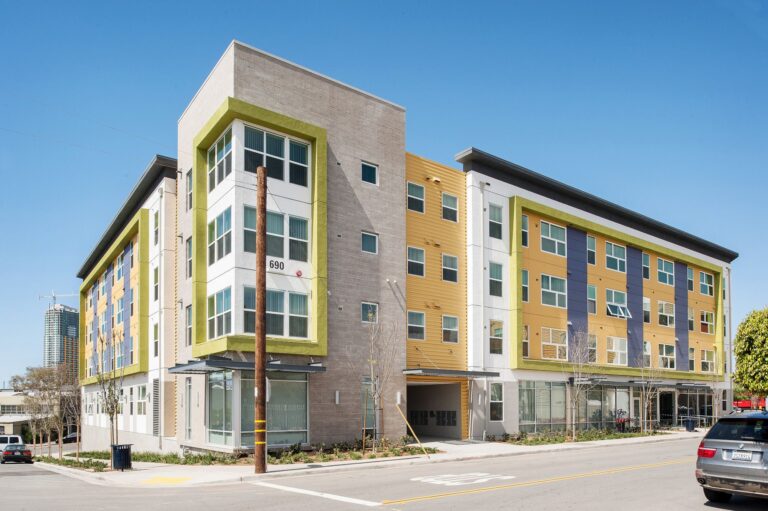
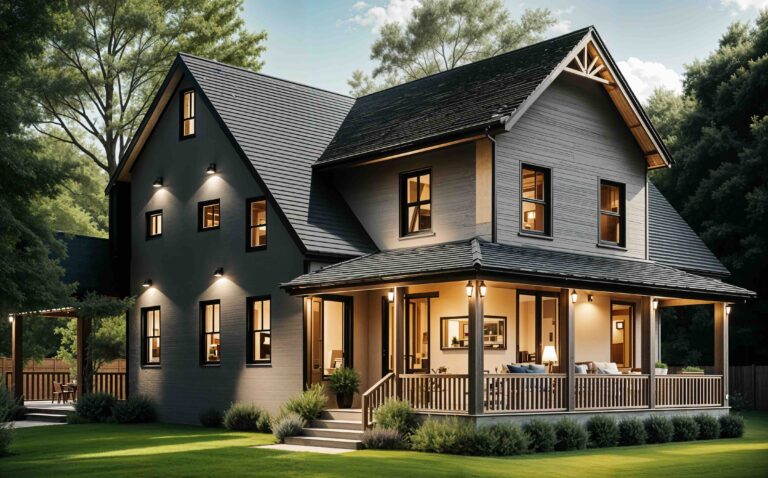
When budgeting for your commercial property’s exterior repaint, understanding the cost to paint a commercial building exterior is essential. The total expense can vary dramatically based on factors like building size, surface condition, type of paint, access, and labor complexity. On average, costs range between $1.50 $4.50 per square foot, but this number shifts depending on region and materials.
Understanding the components that influence this pricing can help you manage your project budget more accurately and make decisions that maximize long-term value and build performance.
Key Factors That Influence the Cost
The following core elements determine the overall painting costs:
- Square footage and building height
- Surface material (stucco, brick, metal, etc.)
- Condition of the surface and prep needs
- Type and quality of paint system used
- Equipment and access requirements
- Labor rates and project duration
High-rise buildings, detailed facades, or surfaces that require extensive restoration will inevitably drive costs up. Meanwhile, straightforward, well-maintained surfaces on single-story buildings may fall toward the lower end of the range.
The Impact of Paint Quality on Total Cost
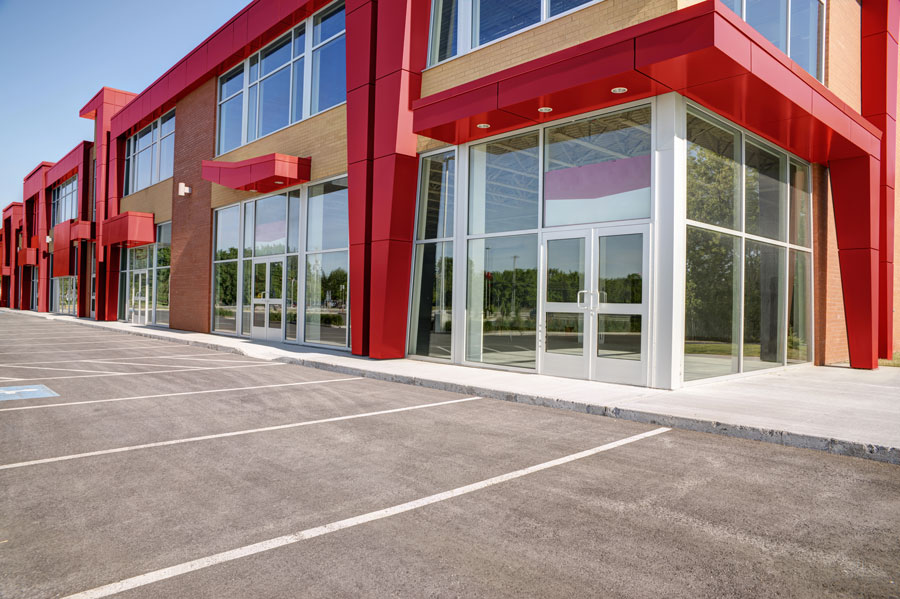
The paint selected plays a critical role in determining both the upfront cost and the building’s long-term maintenance needs. High-end paints like elastomeric, UV-resistant polyurethane, or epoxy coatings cost more initially, but they extend the repainting cycle and offer superior durability against weather and environmental wear.
Using low-quality paint may save money upfront, but it will likely require rework within a few years, costing more in the long run.
Labor and Accessibility Considerations
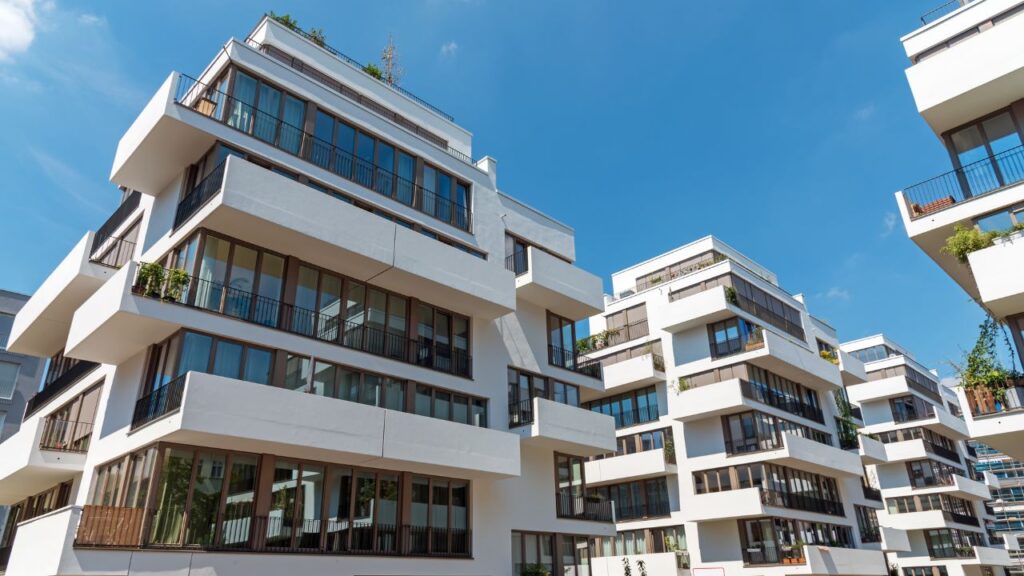
Accessing hard-to-reach surfaces is one of the most significant labor challenges and cost escalators. Buildings that require scaffolding, lifts, or swing-stage platforms can see increased hourly labor rates and equipment rental fees.
Urban environments also often involve restricted hours, limited parking, or traffic management, which adds to the total labor cost. More complex projects may also demand specialized crews with certifications for height safety or hazardous materials.
Real-World Commercial Painting Cost Examples
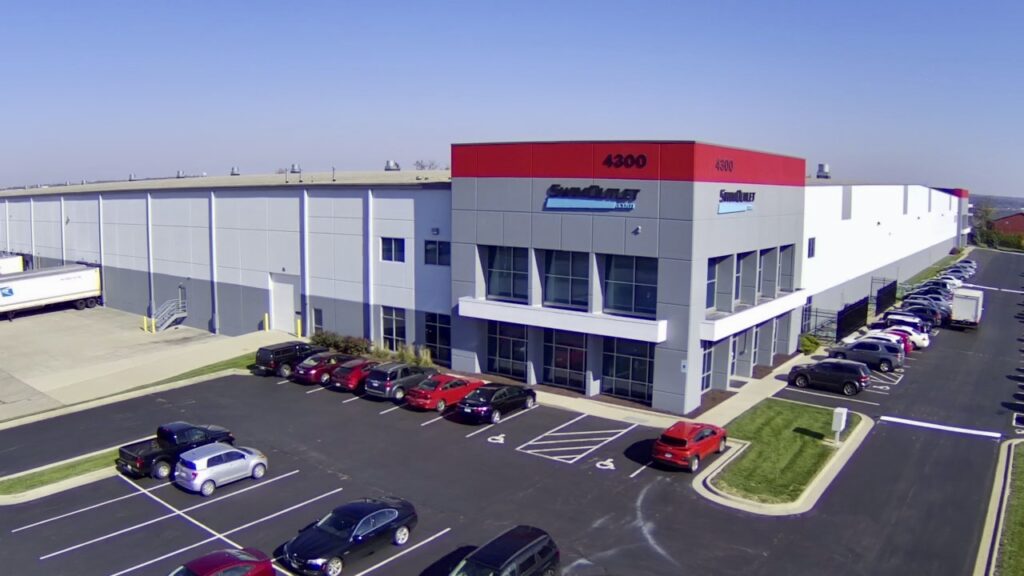
Metro Logistics Hub
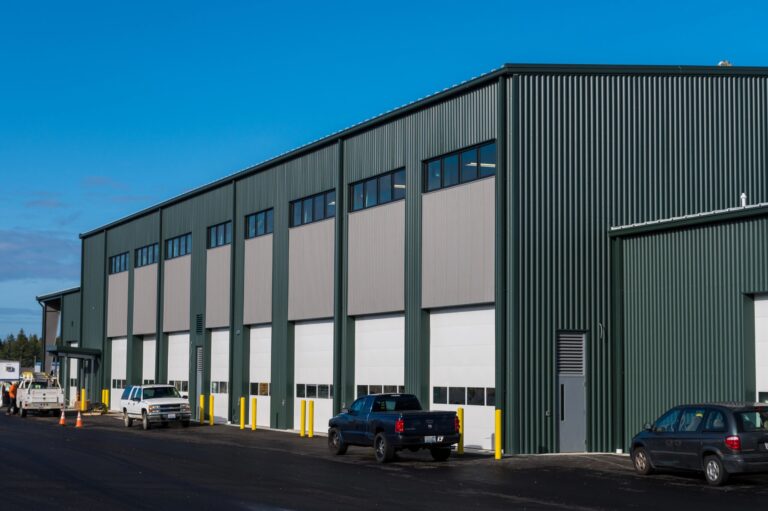
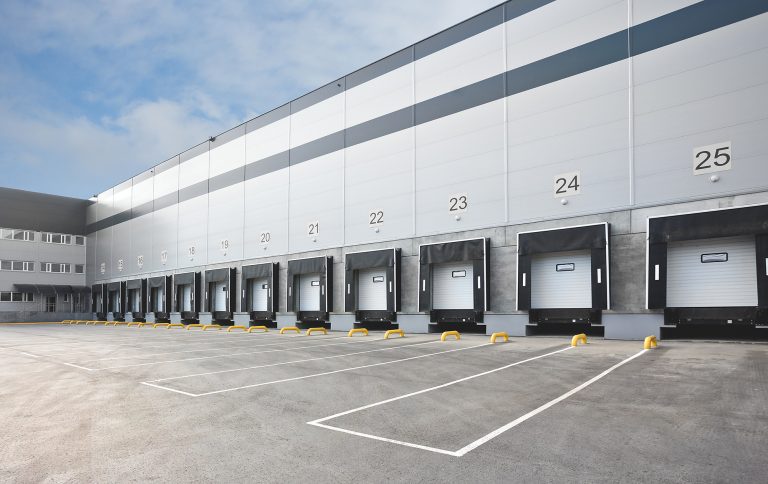
Located in a light industrial zone, this 40,000 sq ft facility had a mix of concrete and corrugated steel. The total project, including rust removal, patching, priming, and two coats of high-build acrylic, cost $72,000.
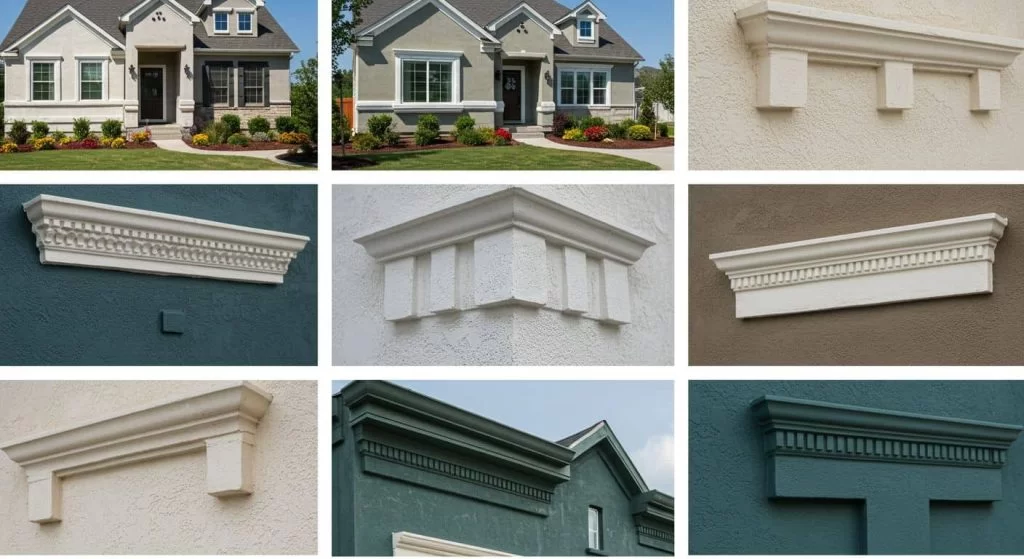
Seaside Retail Plaza
A vibrant beachfront shopping plaza needed fade-resistant paint. Using UV-protective polyurethane on 25,000 sq ft costs about $58,000. The result: longer-lasting color and reduced re-coat needs.
Ridgeview Medical Center
Situated in a high-humidity area, this 18,000 sq ft medical building used mold-resistant paint and had extra prep for mildew-prone areas. Final cost: $43,000.
Hillside Executive Suites
This 35,000 sq ft facility used decorative trims and bold accent walls. The use of premium finishes increased the cost to $66,000, with a significant portion dedicated to trim detailing.
How Modern Technology Reduces Surprises in Cost
Commercial painting contractors now use innovative tools to assess and manage project costs with precision:
- Aerial drone assessments for rooflines and multi-level surfaces
- Digital moisture meters to uncover hidden surface damage
- 3D project modeling to estimate paint coverage and labor accurately
- Airless spraying systems that increase speed and reduce material waste
These tools not only reduce the risk of unexpected change orders but also increase transparency in pricing.
Practical Benefits of Strategic Paint Investment
While cost is a key consideration, viewing exterior painting as a strategic investment yields significant benefits:
- Increased property value through aesthetic improvement
- Improved brand image and curb appeal
- Enhanced protection against environmental wear
- Lower energy bills with reflective coatings
- Extended paint life cycle with premium coatings
The right investment now can reduce operational headaches and defer major repainting expenses for years.
Use Cases Where Proper Cost Planning Matters
1. Budget-Sensitive Educational Institutions
A charter school delayed repainting for years due to budget constraints. Cost forecasting and off-season pricing allowed them to repaint within budget without sacrificing quality.
2. Property Management Groups with Multi-Location Portfolios
Managing costs across dozens of buildings meant standardizing paint specs and using predictive pricing models. This approach helped maintain uniformity and control expenses.
3. Aging Infrastructure Needing Surface Restoration
An older government facility with peeling lead-based paint needed full abatement. Knowing this upfront during estimate planning helped allocate funds for safety compliance and avoid mid-project overruns.
Frequently Asked Questions (FAQ)
What is the average cost to paint the exterior of a commercial building?
Costs vary by region and conditions, but typical ranges fall between $1.50–$4.50 per sq ft. More complex, taller buildings can be higher.
Do all commercial buildings need scaffolding for exterior painting?
No. Smaller or accessible buildings may use ladders or lifts. Scaffolding is usually needed for multi-story or restricted access zones.
Can I reduce painting costs without sacrificing quality?
Yes. Choosing durable, mid-range paints, timing your project for off-peak seasons, and working with experienced contractors who offer clear scope planning can all help reduce costs.