Commercial Exterior Painting Cost Full Pricing Breakdown and Expert Insights
Several factors influence the cost of commercial exterior painting, and understanding them is key to planning your project budget. These factors include building size, surface material, paint type, preparation requirements, location, and labor rates.
For instance, painting a five-story office building will naturally cost more than painting a small retail storefront. But the material, whether it’s stucco, metal, or brick, also affects the prep work, paint needed, and labor involved. High-rise buildings often require special safety equipment and skilled labor, which increases costs.
Building Type and Structure Complexity
The size and height of your building are the biggest cost drivers. Larger buildings require more paint, more labor, and potentially more equipment, especially if access is limited.
Complex shapes and architectural features such as columns, overhangs, or textured finishes demand more time and precision. The more complex the structure, the more detailed the painting work, which increases the overall project cost.
Surface Material and Condition
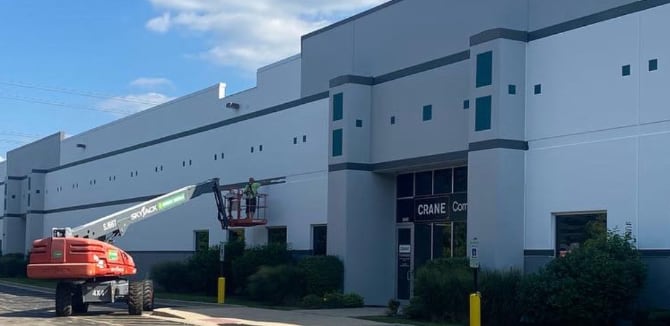
Surface condition greatly impacts painting cost. Buildings with peeling paint, mildew, or surface damage require more prep work, such as scraping, pressure washing, patching, or priming. Materials like concrete, stucco, wood, or metal each have different porosity levels and textures, which affect the number of coats and paint type needed.
If special primers or sealants are needed (like rust inhibitors for steel or mold-resistant primers for stucco), they will add to your overall budget.
Paint Type and Coating Systems
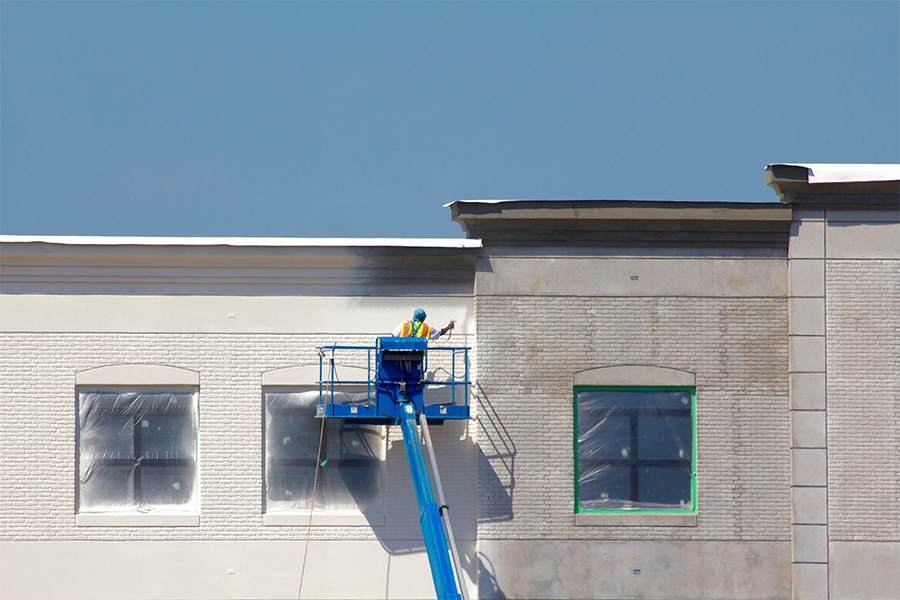
The type of paint and coating system selected can vary widely in cost. Some premium paints, such as elastomeric coatings or epoxy systems, are more expensive but offer longer-lasting protection. In humid or coastal environments, moisture-resistant or UV-blocking coatings are often necessary to prevent damage.
While higher-end coatings cost more upfront, they reduce maintenance frequency and improve building durability, resulting in long-term savings.
Labor and Access Requirements
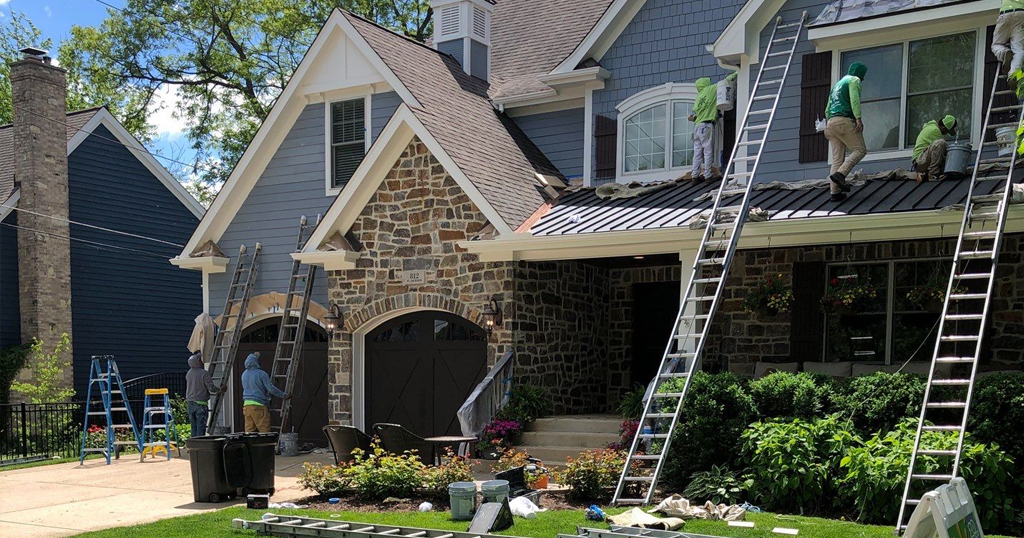
Labor accounts for a large portion of any commercial exterior painting cost. In addition to hourly wages, you may need to account for costs associated with:
- Boom lifts, scaffolding, or swing stages
- Safety harnesses and rigging systems
- Specialized certifications for high-rise work
- Night or weekend labor premiums
Local labor rates can also vary widely depending on your region and project complexity.
Real-World Examples of Commercial Painting Costs
Midtown Business Center
Located in an urban area, this 30,000 sq ft office complex had previously peeling stucco. After surface restoration and application of low-VOC acrylic paint, the total project cost reached approximately $65,000.
Northshore Logistics Warehouse
This 50,000 sq ft warehouse required rust removal and application of two coats of industrial-grade epoxy. The total cost came to $88,000 due to the added prep and the premium coating system.
Westend Health Campus
To ensure hygiene and compliance, the contractor used antimicrobial paint on a 20,000 sq ft clinic. Due to phased scheduling and premium materials, the project was completed at $52,000.
Sunrise Retail Strip
A retail property in a high-sunlight area needed color longevity. Painters used UV-resistant polyurethane paint across 25,000 sq ft, totaling around $60,000.
How Technology Helps Manage Painting Costs
Modern commercial painters use technology to keep costs transparent and under control. Here’s how:
- Drone Inspections: Assess surfaces and hard-to-reach areas without expensive scaffolding.
- Moisture Meters: Help identify hidden water damage before it leads to rework.
- Project Management Software: Streamlines scheduling, budgeting, and material tracking.
- Airless Spraying Tools: Reduce material waste and improve application efficiency.
These tools allow contractors to provide accurate estimates, reduce downtime, and avoid costly surprises.
Benefits of Understanding the Cost Breakdown
Knowing where your money goes helps you make informed decisions about:
- Paint System Selection: Choosing coatings that match both your budget and building needs.
- Maintenance Planning: Higher-cost coatings may reduce the need for frequent touch-ups.
- Timing: Off-season projects may come with discounts.
- Contractor Choice: Clear estimates and transparent pricing indicate professionalism.
With the right knowledge, you can balance cost-efficiency and performance without sacrificing quality.
Real Problems Solved by Strategic Painting Investments
1. Rising HVAC Costs in Poorly Insulated Buildings
A financial services firm repainted its building with reflective thermal coatings, reducing solar heat gain and cutting energy bills by 15%.
2. Tenant Complaints Over Building Appearance
An outdated facade turned away tenants. A repaint with fresh branding colors helped increase tenant retention and lease rates.
3. Frequent Repainting Due to Cheap Paint Use
A business park that used budget paint had to repaint every three years. Switching to elastomeric coatings extended the repaint cycle to 10 years, saving $40,000 over a decade.
Frequently Asked Questions (FAQ)
How much does it cost to paint a commercial building exterior per square foot?
Costs typically range from $1.50 to $4.50 per square foot, depending on surface type, prep work, paint system, and labor conditions.
Does building height impact painting cost?
Yes. Taller buildings may require lifts, scaffolding, and safety gear, significantly increasing labor and access costs.
Can high-end coatings save money?
Absolutely. Though the upfront investment is higher, premium coatings last longer, reduce maintenance frequency, and offer better protection, saving money over time.