Commercial Exterior Painting Complete Guide to Durable, Professional Exterior Coatings
Commercial exterior painting refers to the process of applying protective and aesthetic paint coatings to the outer surfaces of commercial buildings. This can include office complexes, shopping malls, warehouses, hospitals, hotels, and manufacturing plants. Unlike residential painting, commercial projects often require industrial-grade coatings, specific safety standards, and professional execution due to scale, building materials, and environmental exposure.
High-quality exterior painting not only enhances curb appeal but also acts as a shield against moisture, sunlight, pollution, and temperature fluctuations. From increasing property value to minimizing maintenance costs, it plays a crucial role in facility management.
The Importance of Surface Preparation
Proper surface preparation is a fundamental step in achieving a long-lasting finish. Commercial buildings are exposed to weather, pollutants, and structural stress, making the exterior prone to cracking, chalking, or mold. Before applying any paint, professional contractors carry out tasks such as pressure washing, surface repairs, scraping loose paint, sanding, priming, and sealing. This ensures the surface is clean, dry, and ready to bond with the paint.
Skimping on prep work can result in premature paint failure, bubbling, or uneven coverage. On the other hand, well-prepped surfaces ensure the durability and adhesion of the paint, maximizing its lifespan and performance.
Types of Paints and Coatings for Commercial Exteriors
Commercial projects utilize specialized coatings based on surface type and environmental conditions. Common options include:
- Acrylic latex paints: Ideal for most exterior walls, resistant to UV and fading.
- Enamel coatings: Used for sleek finishes and metallic surfaces.
- Epoxy paints: High-durability option for steel or industrial surfaces.
- Elastomeric paints: Great for waterproofing and bridging small cracks.
- Polyurethane coatings: For chemical resistance and gloss retention.
Each product has distinct advantages and is chosen based on surface condition, exposure level, and aesthetic requirements.
Real-World Use Cases and Product Examples
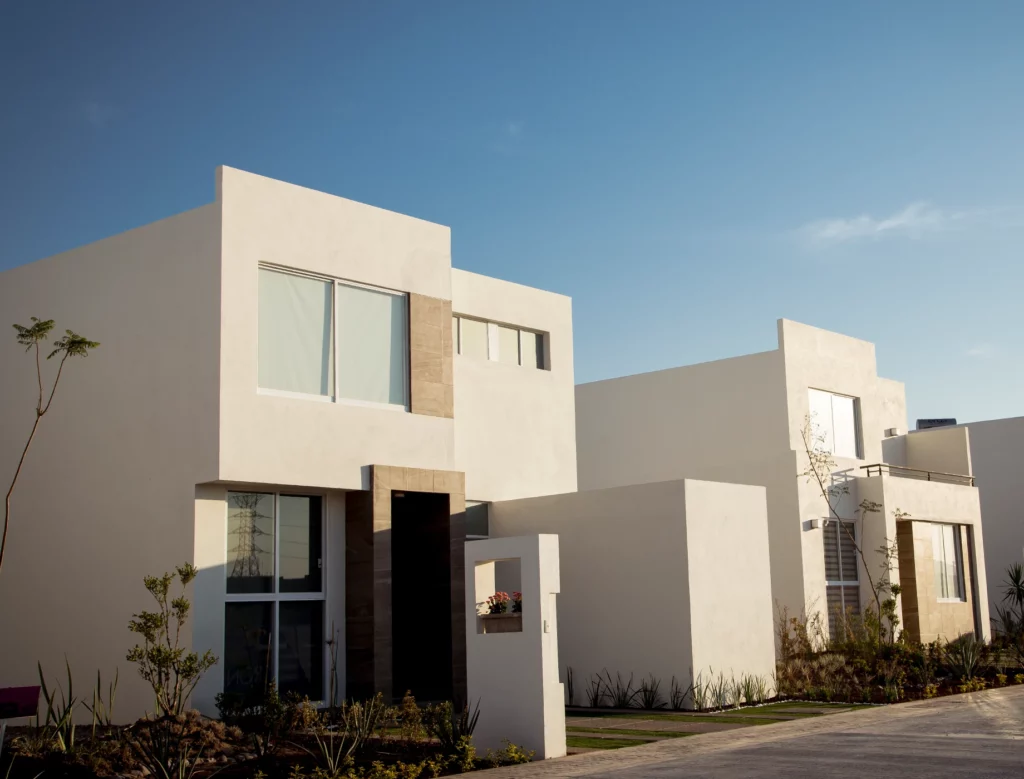
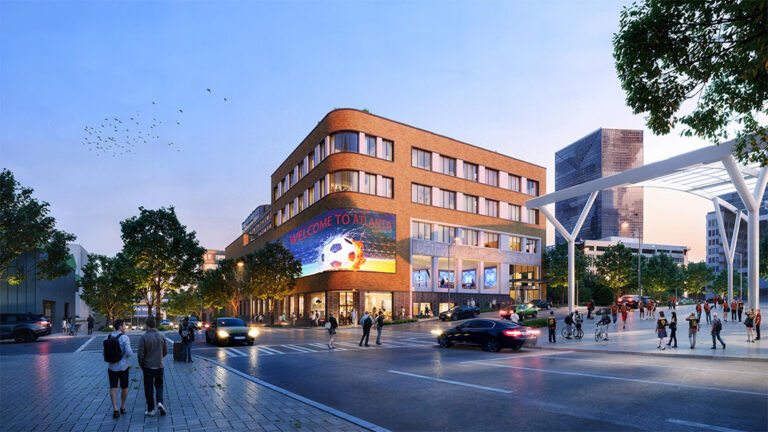
Urban Tower Office Complex
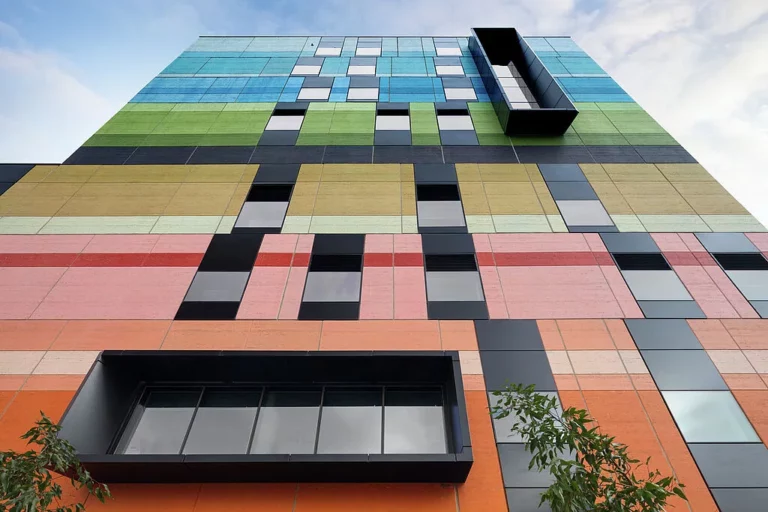
This high-rise office structure underwent a full exterior repaint using premium enamel weather-resistant paint. The applicators used airless spray technology for even coverage, delivering both long-lasting protection and a polished look. This project highlights the importance of using reflective enamel paints for urban buildings exposed to heavy pollution and UV radiation.
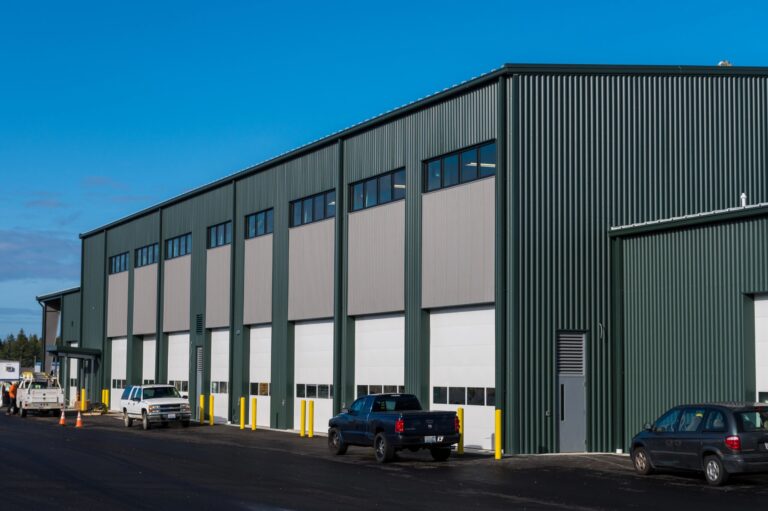
Steel Works Industrial Facility
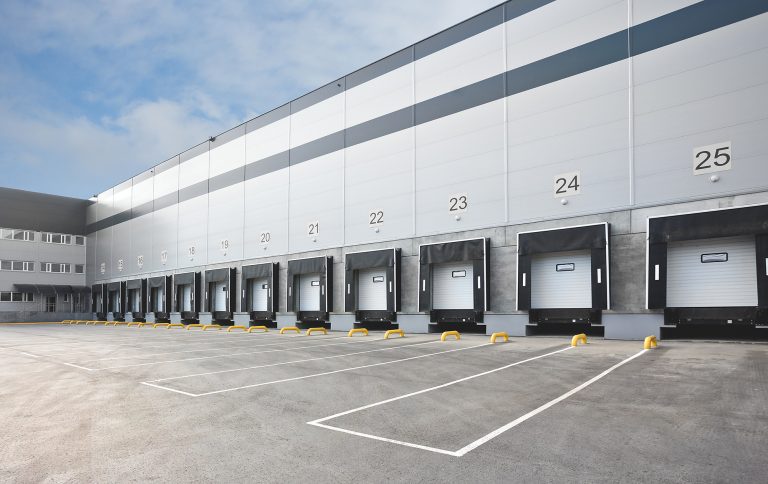
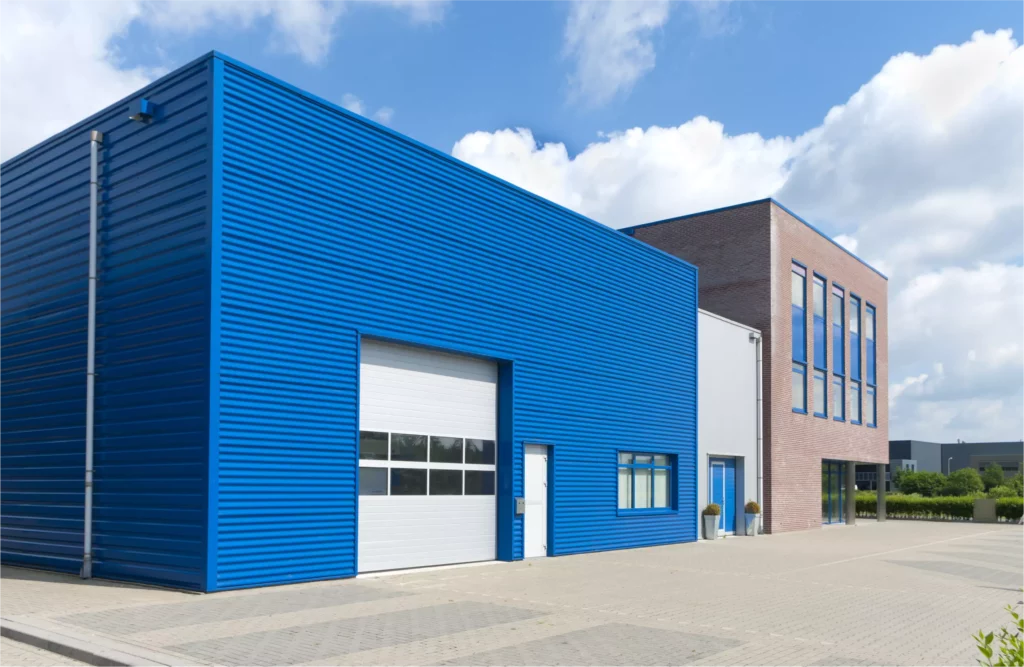
This warehouse needed a durable solution for its metal-clad exterior. Contractors applied epoxy coatings reinforced with anti-corrosive primers, ensuring strong adherence and weather resistance. This type of solution is vital for industrial facilities located in high-humidity or coastal zones.
Aurora Plaza Retail Mall
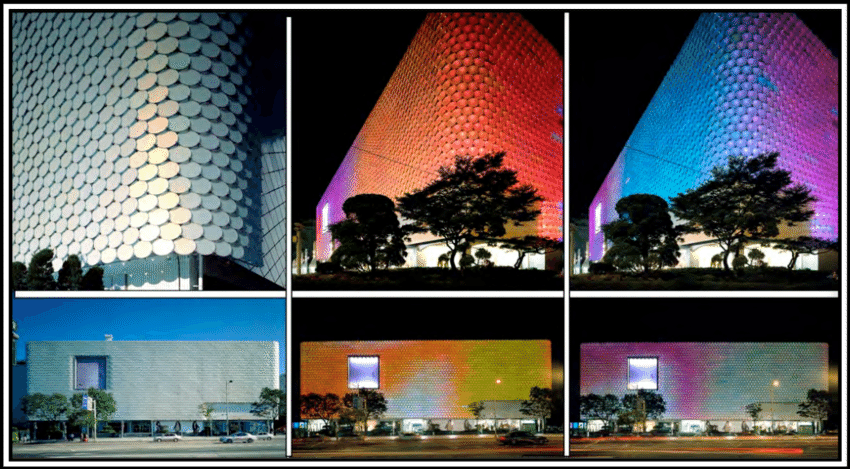
The mall facade was painted with UV-resistant acrylic paint designed for color retention in high-UV areas. A transparent topcoat was added to further protect the surface. This example shows how commercial properties can maintain visual branding without frequent repainting.
GreenStay Hotel Chain
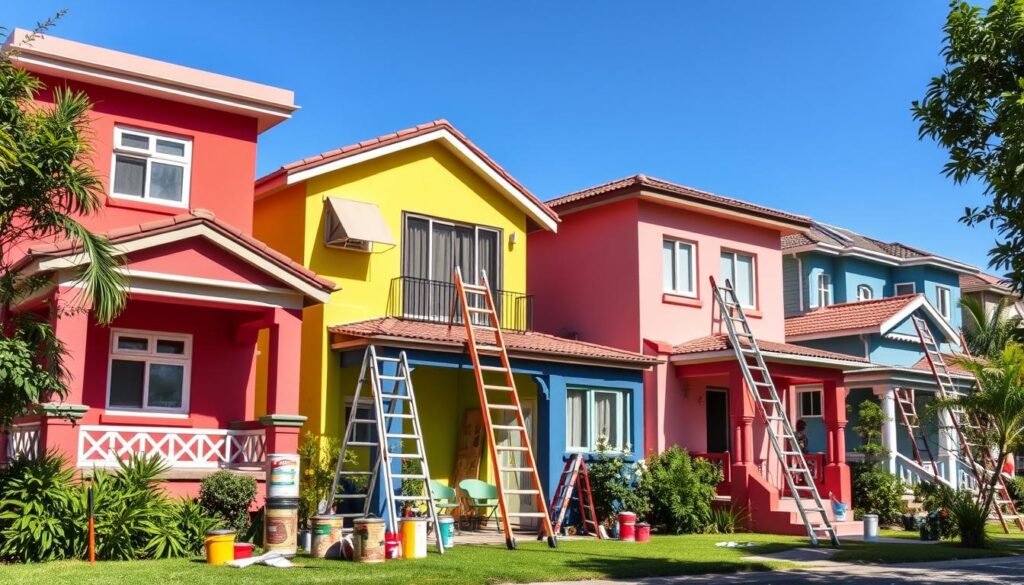
To meet sustainability goals, the hotel chain chose water-based low-VOC paints for its entire building exterior. Despite being eco-conscious, the finish remains vibrant and durable. This case illustrates how environmentally friendly solutions can also deliver commercial-grade performance.
Benefits of Modern Painting Technology
Advancements in painting technologies have significantly improved the performance and application of commercial exterior coatings:
- Airless Spray Systems: Ensure uniform coverage, reduce labor time, and minimize paint waste. They’re especially useful for high-rise or wide-surface applications.
- Low-VOC and No-VOC Paints: Provide eco-friendly alternatives that reduce environmental impact and improve air quality for both workers and building occupants.
- Elastomeric Coatings: Offer superior flexibility and water resistance, effectively bridging hairline cracks and preventing water intrusion.
- Infrared Reflective Paints: Reduce heat absorption, which helps control interior temperatures and supports energy efficiency goals.
These innovations contribute to faster application, better durability, and compliance with safety and environmental standards.
Practical Advantages of Commercial Exterior Painting
Investing in a professional exterior paint job delivers multiple tangible benefits:
- Weather Protection: Shields the building from rain, wind, and UV radiation, reducing long-term damage and repair needs.
- Brand Image and Aesthetic Appeal: Enhances the look of your property, making it more attractive to tenants, customers, and visitors.
- Cost Efficiency: Modern coatings extend the lifespan of surfaces, reducing the frequency and cost of future maintenance.
- Property Value: Increases the market value and leasing potential of commercial buildings.
Use Cases: Real-Life Problems Solved by Commercial Exterior Painting
1. Weather-Damaged Exterior Walls
A logistics hub located in a coastal region experienced constant paint peeling due to salt air and humidity. A switch to marine-grade epoxy coatings dramatically improved wall durability and reduced repaint frequency.
2. Brand Fading and Poor Curb Appeal
A regional retail chain struggled with dull and inconsistent building colors. The use of high-quality acrylic paints with UV blockers restored the brand’s visibility and improved customer perception.
3. Mold and Mildew Growth
In a healthcare facility, exterior walls were prone to mold due to nearby landscaping and sprinkler systems. Antifungal primer and water-resistant paint helped eliminate the issue and improved hygiene perception.
Frequently Asked Questions (FAQ)
What makes commercial exterior painting different from residential painting?
Commercial painting involves larger-scale operations, specialized coatings, compliance with safety standards, and often requires industrial equipment. The paints used must be more durable and adaptable to harsh environmental conditions.
How long does commercial exterior paint typically last?
Depending on the paint type and environmental exposure, commercial-grade exterior coatings can last between 8 to 15 years. Proper surface preparation and professional application are key to maximizing longevity.
Are environmentally friendly paints effective for commercial use?
Yes. Modern low-VOC and water-based paints offer excellent performance while meeting environmental regulations. They’re suitable for use in hospitals, schools, hotels, and LEED-certified buildings.