Commercial Building Exterior Painting Expert Guide for Durable Results
Commercial building exterior painting is a specialized service focused on applying protective and decorative coatings to the outer surfaces of commercial properties. These properties include office buildings, retail stores, hospitals, warehouses, and more. The objective is to provide both visual enhancement and long-term protection against environmental elements.
Choosing the right paint and method ensures not only aesthetic value but also structural longevity. Factors such as climate, surface material, and business branding make this a high-stakes task that requires professional insight and quality materials.
The Role of Exterior Painting in Commercial Property Maintenance
Paint isn’t just a cosmetic layer it functions as a barrier against weather damage, UV rays, pollution, and moisture. Without proper coating, surfaces deteriorate faster, leading to costly repairs. A professional exterior paint job also helps maintain property value and tenant satisfaction.
Scheduled painting projects as part of property maintenance strategies can prevent degradation, especially in regions with extreme weather. Furthermore, refreshed paint enhances the public image and branding of a business, making first impressions more impactful.
Types of Paints Commonly Used in Commercial Exterior Projects
Commercial building exteriors are coated with different paint types based on surface type, function, and climate exposure. Common paint options include:
- Acrylic Latex Paints: Excellent for general use, offering UV resistance and flexibility.
- Elastomeric Coatings: Best for sealing hairline cracks and waterproofing stucco or masonry surfaces.
- Epoxy Paints: Preferred for durability on industrial and metallic surfaces.
- Polyurethane Paints: Provide high-gloss finishes and are resistant to chemicals.
- Silicate Mineral Paints: Used on masonry for their breathability and weather resistance.
These products offer different benefits, and their correct application ensures long-lasting and visually pleasing results.
Real-World Use Cases and Product Applications
MetroTech Office Campus
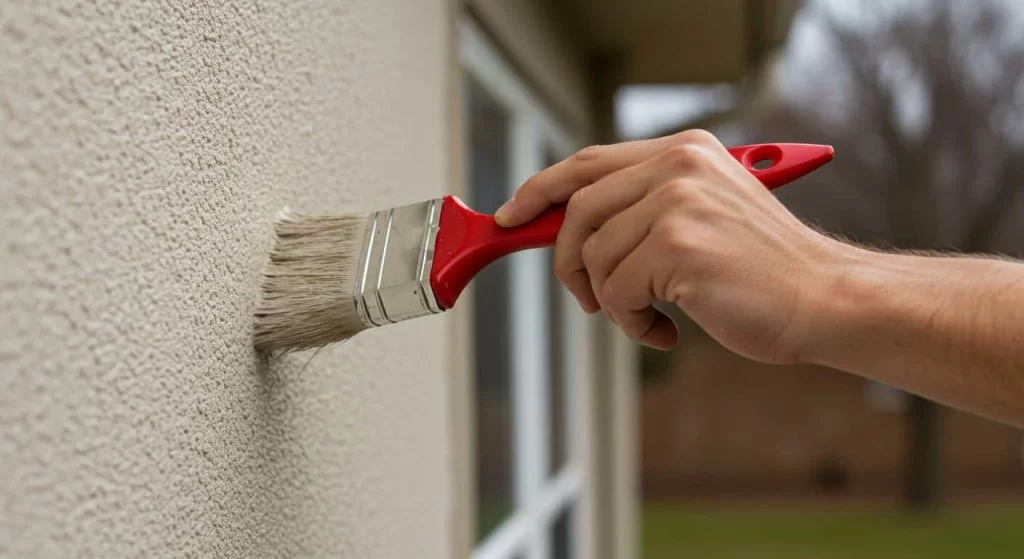
This business complex used elastomeric coatings to fix micro-cracks and seal the envelope of the building. After application, water ingress issues were eliminated, and the structure maintained a clean, uniform appearance despite seasonal weather shifts.
IronGate Distribution Facility
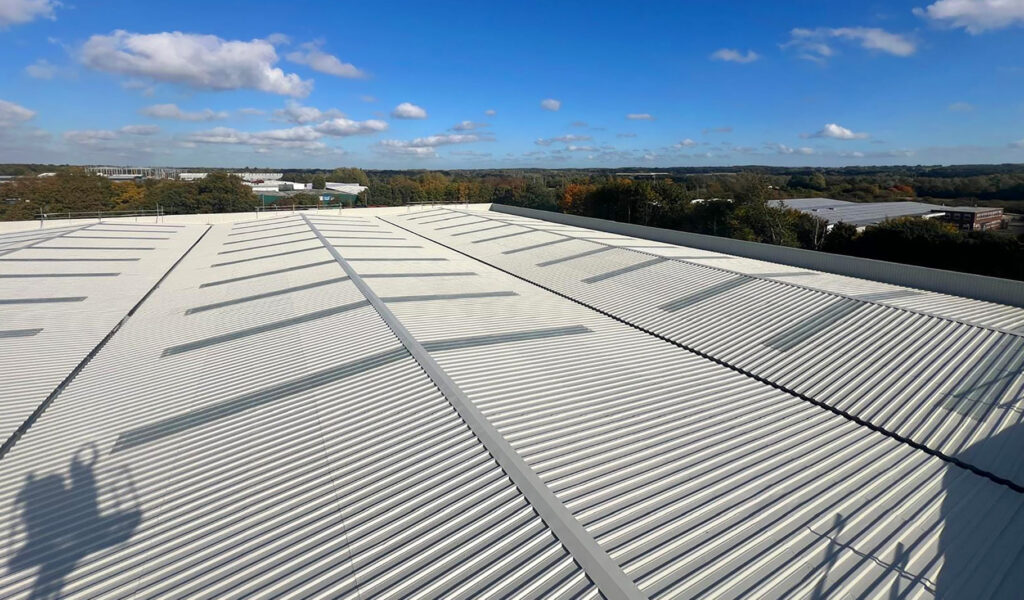
Due to industrial operations and exposure to corrosive materials, this facility required epoxy coatings for durability. The finish resisted abrasion and provided extra protection from rust and wear.

CarePoint Medical Center
Low-VOC acrylic latex paint was chosen to protect the hospital’s exterior while ensuring minimal disruption to patients and staff. The paint also meets health and safety regulations, crucial in healthcare environments.
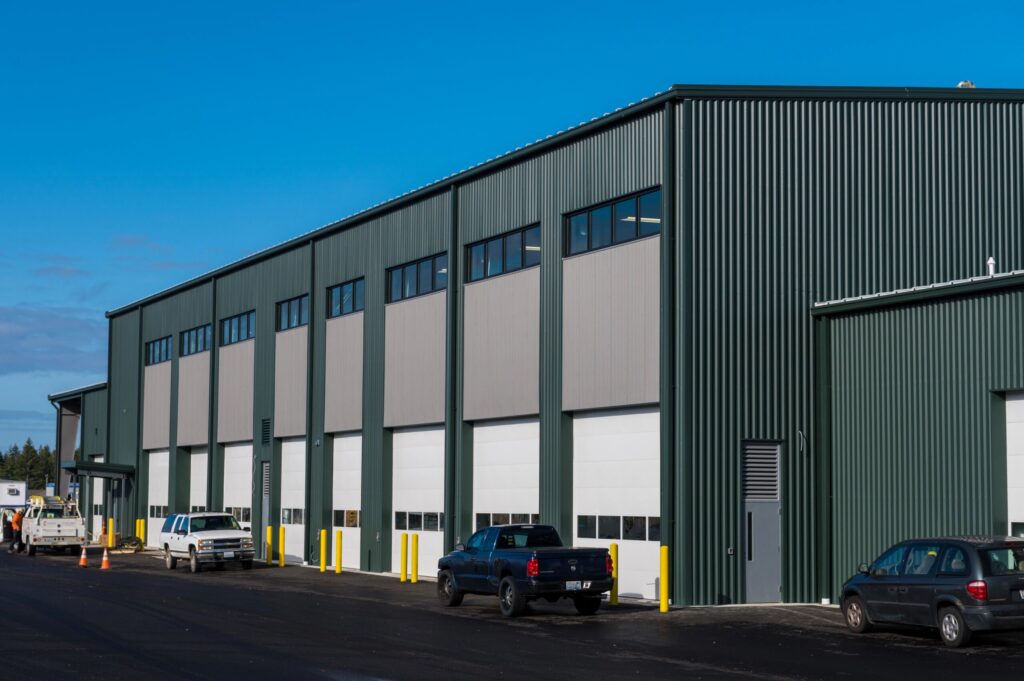
Sunline Shopping Complex
To preserve brand colors and maintain visual appeal under constant sun exposure, UV-resistant polyurethane paint was used. The finish remains glossy and vibrant even after years in direct sunlight.
How Modern Technology Improves Exterior Painting Projects
Technological advancements have changed how commercial exterior painting projects are planned and executed. New tools and coatings allow for better outcomes and longer-lasting performance.
- Airless Spraying Equipment: Speeds up application and ensures a smooth, even coat on large surfaces.
- Infrared Reflective Paints: Help regulate building temperature by reflecting heat.
- Low and Zero-VOC Paints: Safer for workers and building occupants, with reduced environmental impact.
- Silicon-Enhanced Coatings: Improve water resistance and increase lifespan on porous surfaces.
These innovations are especially useful in high-traffic, large-scale projects where efficiency and durability are critical.
Practical Benefits of Commercial Exterior Painting
Investing in professional exterior painting offers a wide array of advantages, beyond just looks:
- Environmental Protection: Shields the building from natural elements like rain, wind, and sunlight.
- Extended Lifespan of Structures: Delays wear and tear on building materials.
- Cost-Effective Maintenance: High-quality paints reduce frequency and cost of repairs.
- Improved Marketability: A well-maintained exterior can attract new tenants and increase resale value.
It also contributes to brand perception and customer confidence, particularly for storefronts and hospitality buildings.
Use Cases: Problems Solved by Commercial Exterior Painting
1. Water Infiltration in Stucco Walls
A school in a humid region experienced water infiltration through stucco walls. Elastomeric paint was applied to bridge cracks and provide a waterproof seal, preventing future water damage and mold.
2. Fading Paint on a Corporate Office
An office building had severely faded paint, diminishing brand image. High-quality acrylic latex paint was used to restore vibrancy and prevent future UV degradation.
3. Rusting Steel Beams on a Manufacturing Plant
A manufacturing facility had visible corrosion on exposed beams. Epoxy coatings with rust inhibitors were applied to halt the damage and prolong the building’s structural integrity.
Frequently Asked Questions (FAQ)
How long does commercial exterior paint typically last?
Depending on paint type and climate, exterior paint on commercial buildings can last 8–15 years. Elastomeric and epoxy paints tend to last longer with proper maintenance.
Can commercial exterior painting be done while the building is occupied?
Yes, professional painters schedule work during off-hours or in phases to avoid disrupting business operations. Low-VOC paints also minimize odor and exposure.
What’s the best time of year to paint a commercial building exterior?
Spring and fall are typically ideal due to moderate temperatures and low humidity. However, professional teams can paint year-round using climate-adapted materials.