Commercial Warehouse Painting Durable Finishes, Safety Standards, and Smart Techniques
Warehouse painting is a critical part of maintaining commercial properties. It not only enhances appearance but also plays a vital role in protection and compliance. From interior walls to ceilings and exterior siding, proper coatings preserve the structure, improve lighting, support safety codes, and prevent wear and tear.
Painting a warehouse goes beyond aesthetics; it’s about applying the right coatings to withstand chemicals, forklift traffic, temperature changes, and high humidity. A professional approach ensures safety, longevity, and regulatory compliance.
Key Elements in Commercial Warehouse Painting Projects
Each warehouse project is unique, but key steps typically include:
- Surface prep: pressure washing, degreasing, sanding
- Crack and joint repair
- Priming with industrial-grade sealants
- Application of durable coatings (e.g., epoxy, urethane, elastomeric)
- Safety line marking and signage painting
The right contractor will assess moisture levels, ventilation, and operational schedules to minimize disruption and ensure proper drying and curing.
Types of Coatings and Materials Used in Warehouses
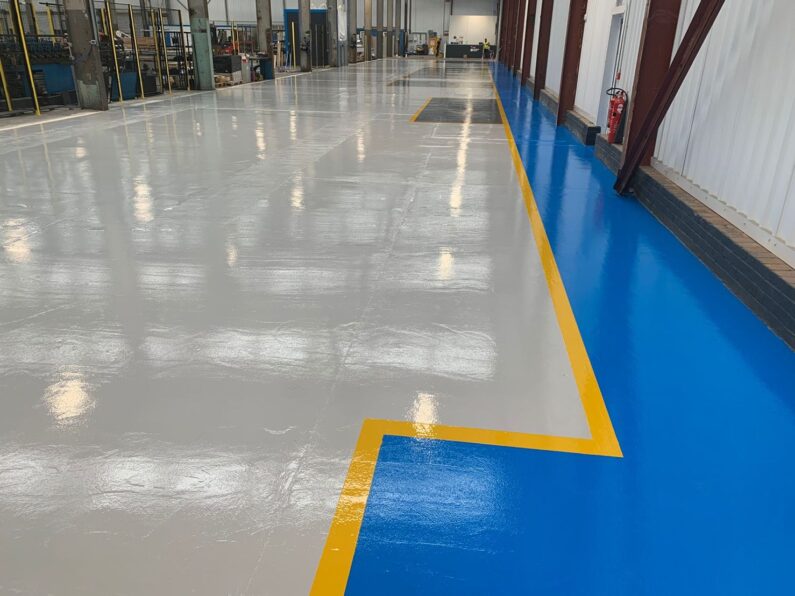
Some of the most common coatings used in warehouse painting include:
- Epoxy coatings: Ideal for floors, offering chemical resistance and easy cleaning
- Elastomeric coatings: Best for exterior walls to handle expansion/contraction
- Acrylic paints: Flexible and fast-drying for large wall spaces
- Intumescent paints: Fire-resistant options for compliance in certain zones
Each material is selected based on surface type, traffic load, exposure to chemicals, and temperature control needs.
Technologies Used in Modern Warehouse Painting
Warehouse painting has evolved with new technologies that improve efficiency and performance:
- Airless paint sprayers: Cover vast surfaces quickly and uniformly
- Moisture detection tools: Identify hidden water issues before paint application
- Thermal imaging: Assists in insulation and leak detection pre-paint
- Low-VOC/No-VOC coatings: Reduce fumes and ensure safer indoor air quality
- Drones for inspection: Evaluate hard-to-reach exterior areas
These tools speed up the process, reduce waste, and enhance coating consistency and durability.
Real-World Examples of Commercial Warehouse Painting Projects
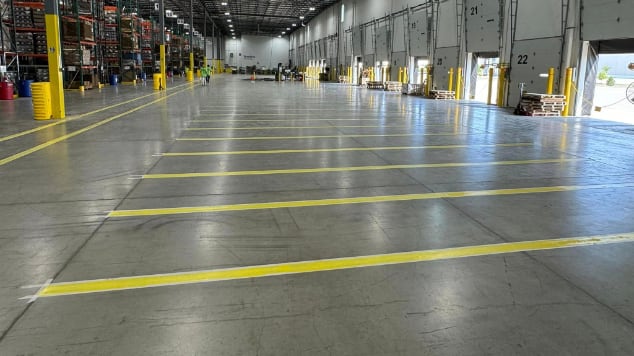
LogistiX Distribution Center
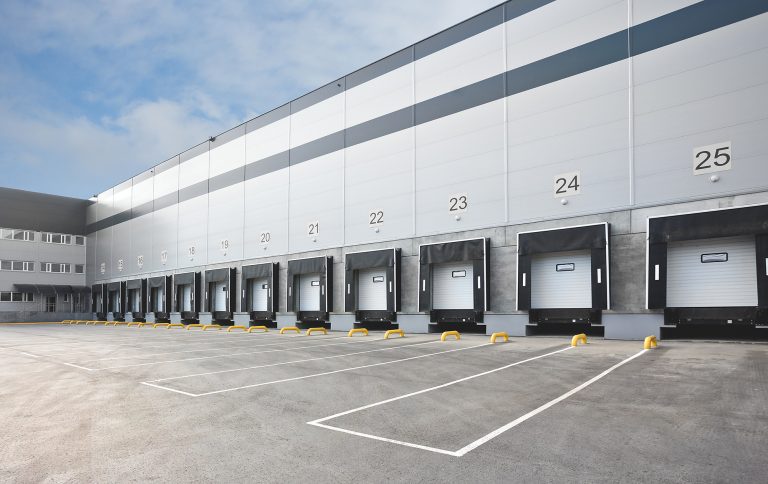
This 80,000 sq ft space needed durable flooring and improved lighting reflectivity. Painters used epoxy floor coatings in high-traffic areas and bright white acrylic on walls to increase brightness and worker safety.
MidState Cold Storage
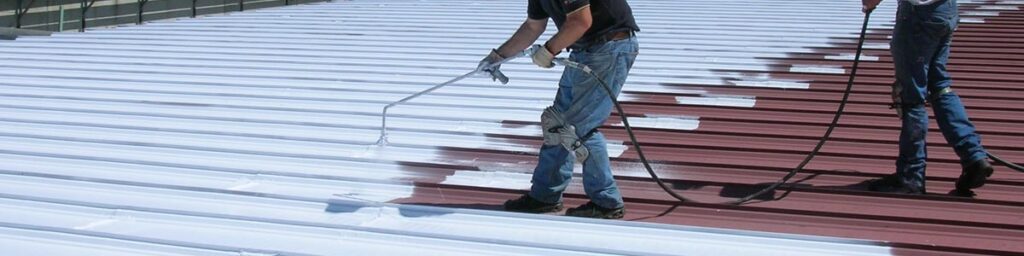
To address energy efficiency and insulation, this warehouse applied a reflective elastomeric coating. It helped stabilize interior temperatures and reduced HVAC costs.
CoreTech Supply Hub
The project involved repainting metal doors, walls, and striping safety zones. Bright color codes helped direct foot and machinery traffic, reducing operational accidents.
PureHarvest Storage
This facility required USDA-compliant paint. Painters used low-VOC, antimicrobial coatings to meet sanitation standards while ensuring long-term durability.
Benefits of Hiring Experts for Warehouse Painting
A professionally executed warehouse paint job delivers multiple advantages:
- Improved workplace safety: Clear markings and better visibility reduce hazards
- Enhanced energy efficiency: Reflective coatings reduce lighting and cooling needs
- Regulatory compliance: Paints selected to meet food, fire, or OSHA codes
- Longer building lifespan: Protection from wear, moisture, and corrosion
- Better employee morale: Clean, bright spaces support productivity
These benefits have both immediate operational effects and long-term cost savings.
Use Cases Where Warehouse Painting Is Essential
1. New Tenant or Ownership Changes
When facilities change hands, painting resets the space for branding, cleanliness, and repairs.
2. Renovation or Compliance Upgrades
Warehouses updating operations or meeting food or fire codes often require compliant coatings and markings.
3. Damage from Water or Heavy Machinery
Paint helps seal surfaces and prevent deeper damage from exposure or operational impact.
Frequently Asked Questions (FAQ)
What type of paint is best for commercial warehouse floors?
Epoxy coatings are most commonly used because they resist chemicals, abrasion, and heavy machinery. They also offer easy maintenance and long-lasting durability.
Can a warehouse stay open during painting?
Yes, many contractors work in zones to minimize disruption. Planning around shifts or using quick-dry, low-odor paints helps maintain operations during the project.
How often should a warehouse be repainted?
Every 5–7 years is standard, depending on wear levels, environmental conditions, and the quality of previous coatings. High-traffic zones may need more frequent touch-ups.